How Skincare Brands are Reducing Packaging Waste Using Mono-Material Square Airless Bottles
10 December 2025
Why Modern Skincare Brands Are Upgrading to Airless Cosmetic Pump Bottles
10 December 2025Packaging is more than a container for skincare products; it influences brand perception, product performance, and sustainability. For modern beauty brands, selecting the right glass airless bottle packaging solution ensures sensitive formulations stay fresh, dispensing is controlled, and environmental impact is minimised. With so many options available, understanding the factors that make a bottle the right fit is essential for both emerging and established skincare companies.
Why Glass Airless Bottles Are an Industry Standard
Glass has long been valued in cosmetic packaging for its premium look and inert properties. Unlike plastic, glass doesn’t react with active ingredients, making it ideal for serums, oils, and water-based formulations. Airless systems in glass bottles prevent air exposure, which protects sensitive ingredients from oxidation and microbial contamination. This ensures that customers receive the full potency of the product with every use.
Additionally, glass is fully recyclable, making it an environmentally friendly choice. For brands looking to combine sustainability with luxury, a glass airless bottle packaging solution provides the best of both worlds.
Key Considerations When Choosing a Glass Airless Bottle
Selecting the right glass airless bottle involves balancing design, functionality, and sustainability. Here are the main factors to consider:
Glass can be clear, frosted, or colored. Frosted or tinted glass protects light-sensitive ingredients, while clear glass showcases product texture and color. Consider finishes that align with your brand identity and also provide functional protection for the formulation.
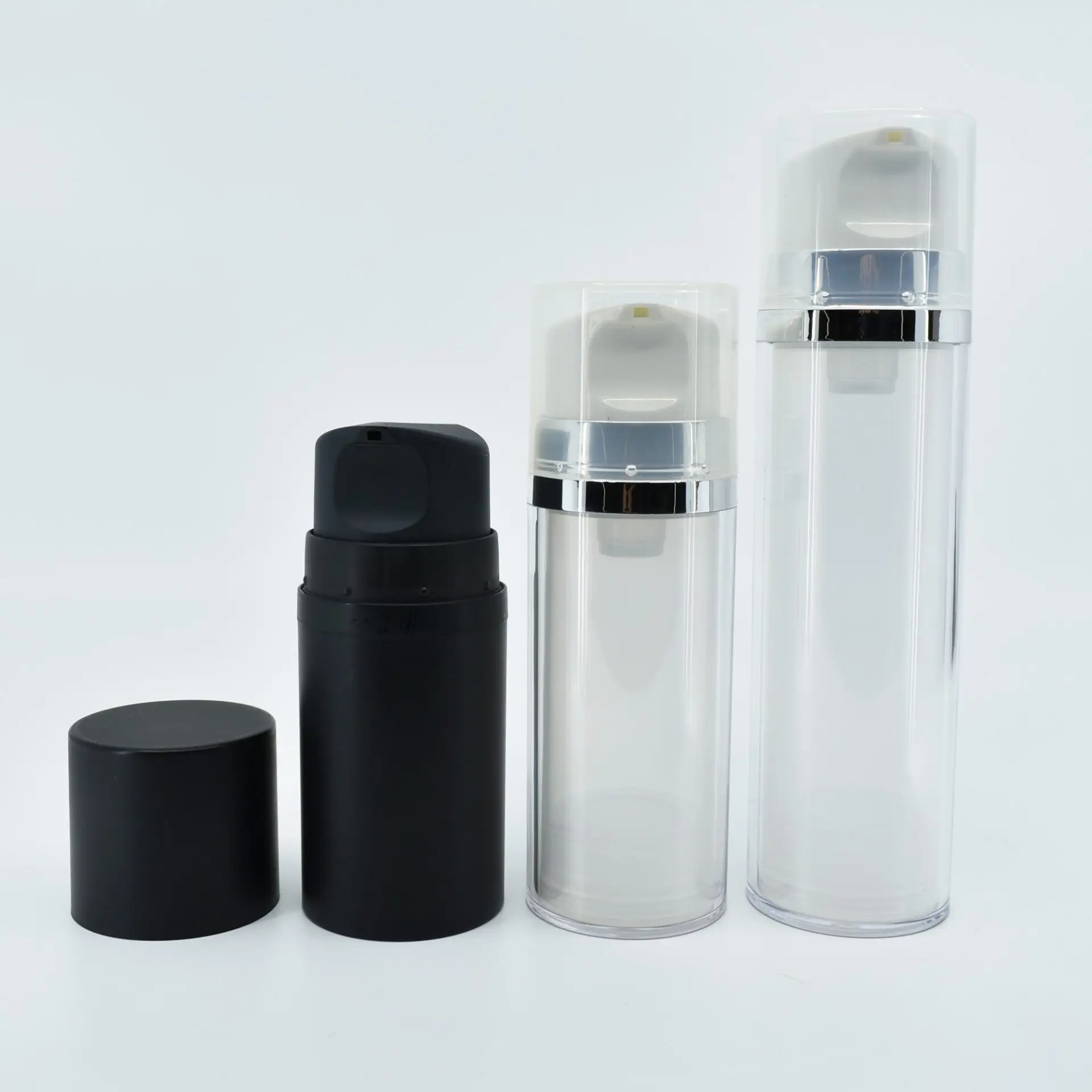
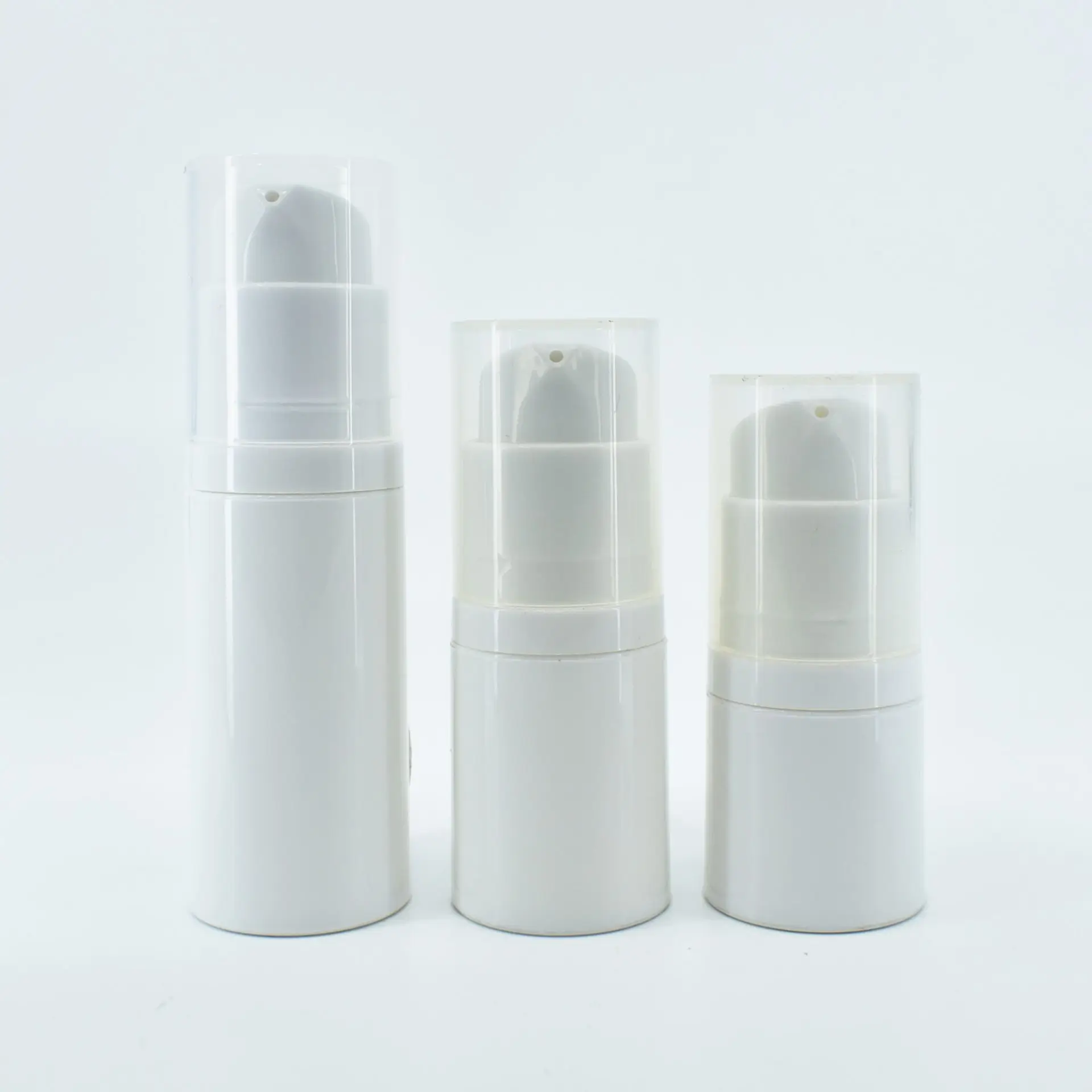
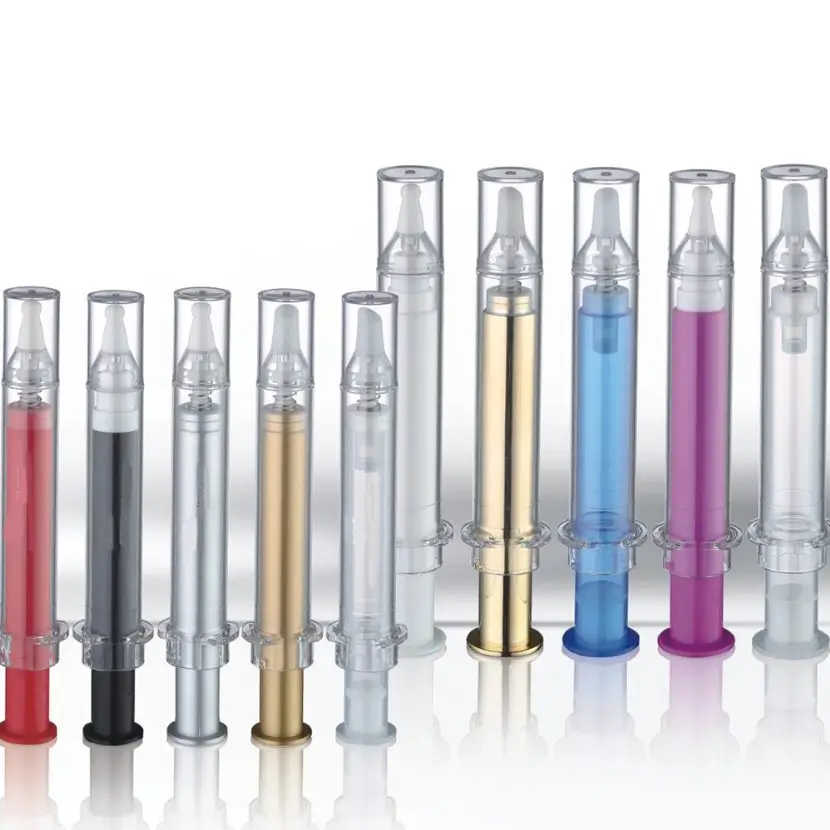
A smooth, reliable pump is critical. Airless pumps prevent contamination, reduce product waste, and ensure consistent dispensing. For skincare formulas, look for pumps that maintain airtight seals to preserve active ingredients.
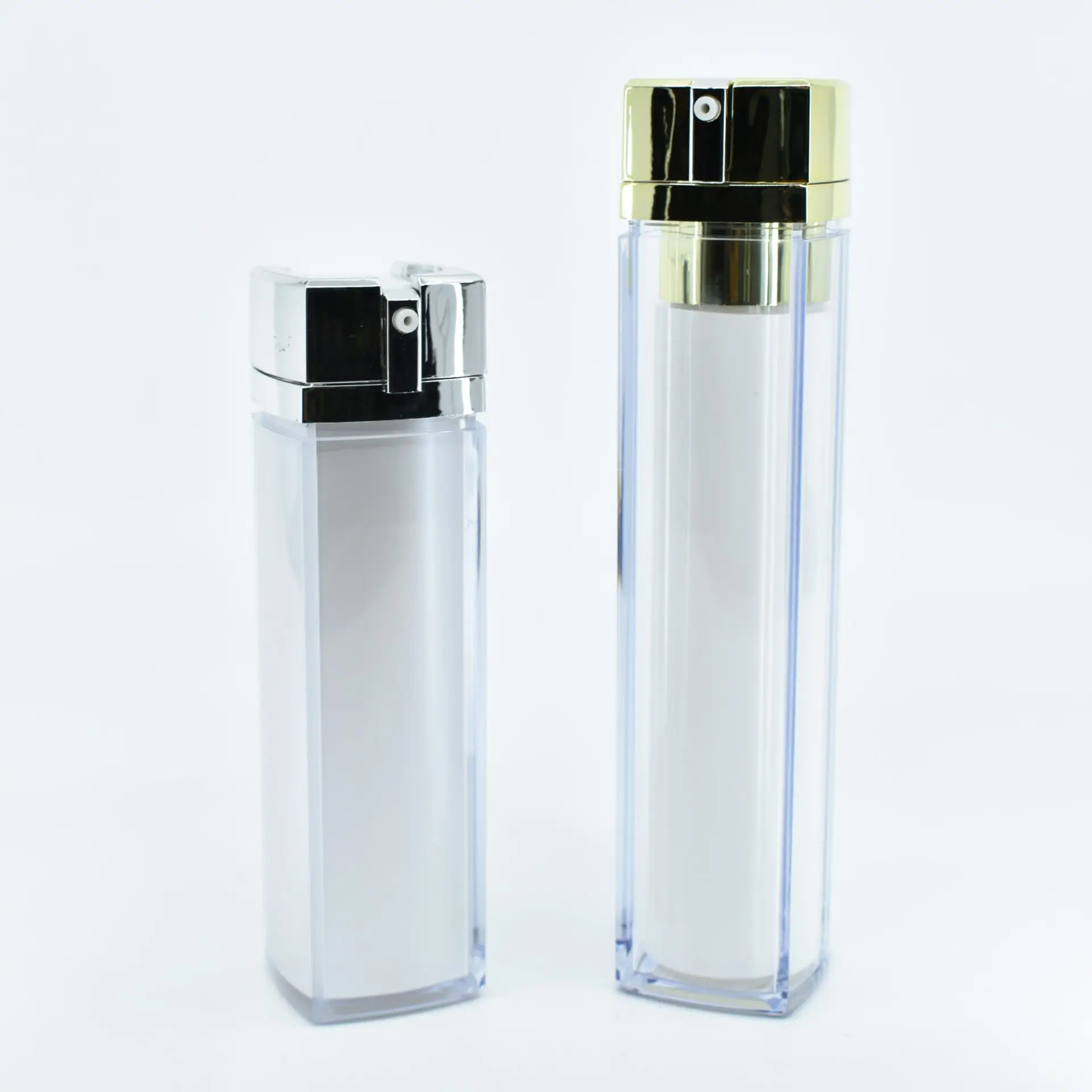
Bottle volume and shape impact both usability and shipping efficiency. Square or rectangular bottles allow for tighter packaging in shipping cartons, reducing material and transportation waste. The choice of size should reflect product usage, shelf placement, and consumer convenience.
4. Sustainability and Recyclability
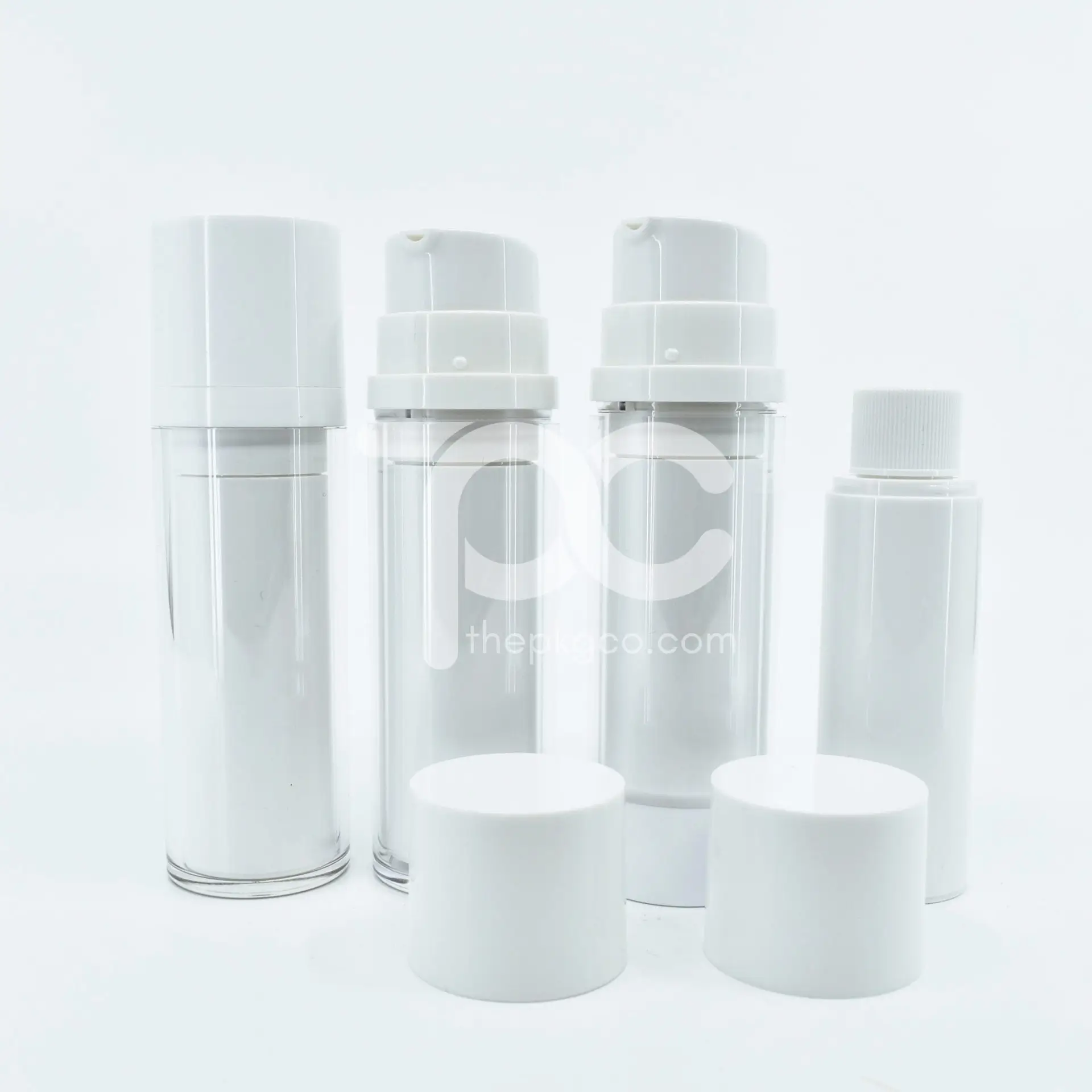
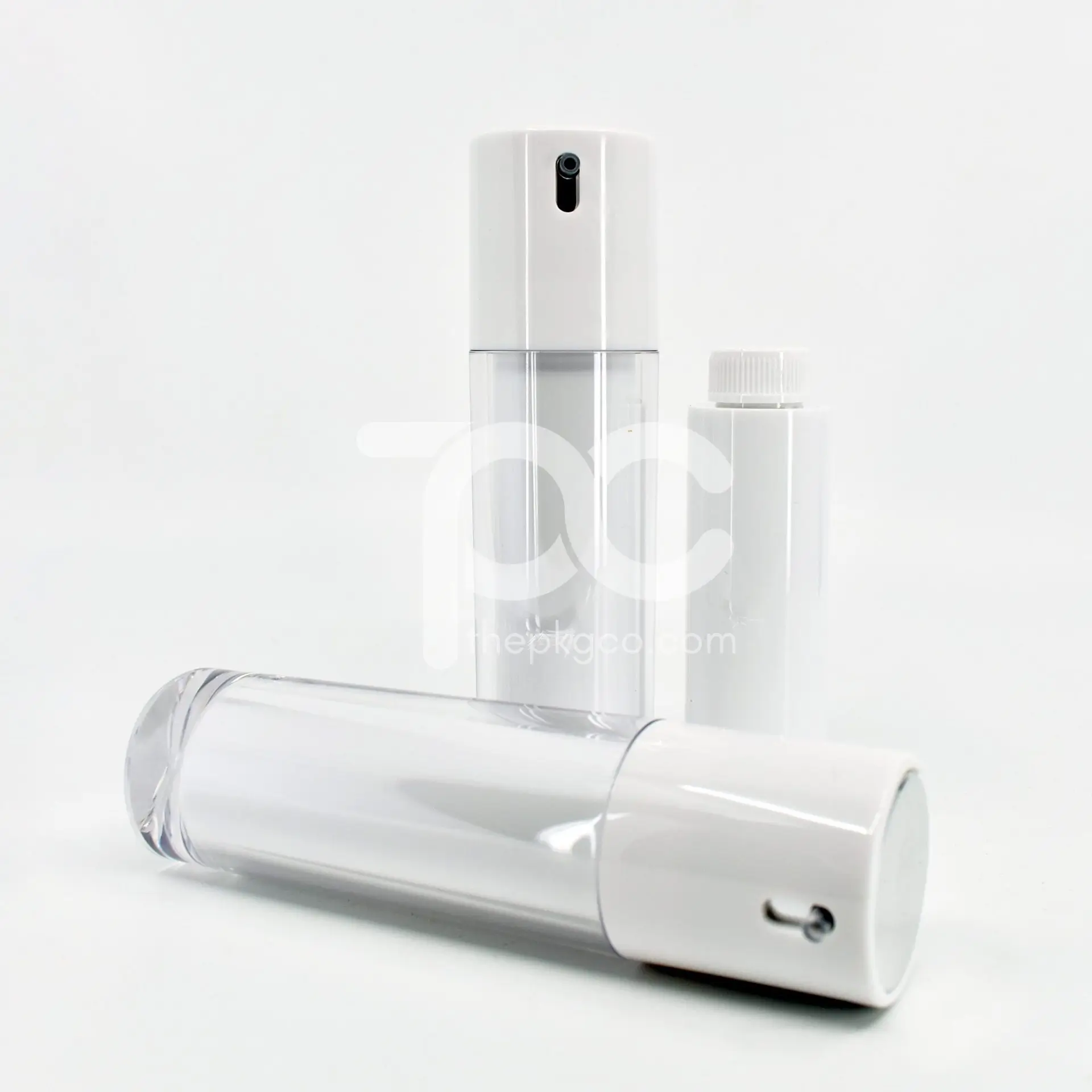
Eco-conscious brands should prioritize mono-material designs or fully recyclable glass components. Using a recyclable airless jars products solutions system ensures the bottle can be repurposed or returned for refill, reducing environmental impact.
Brand differentiation is key in the crowded skincare market. Custom printing, labeling, or metallic finishes can enhance visual appeal. Suppliers with robust customisation capabilities allow for consistent branding without compromising the functionality of the airless system.
Balancing Form and Function
The ideal glass airless bottle balances aesthetic appeal with practical performance. While premium finishes may attract consumers, the container must also protect formulations and deliver a consistent user experience. Collaborating with a packaging partner that understands both cosmetic science and design ensures the bottle meets brand standards while providing airtight protection for sensitive ingredients.
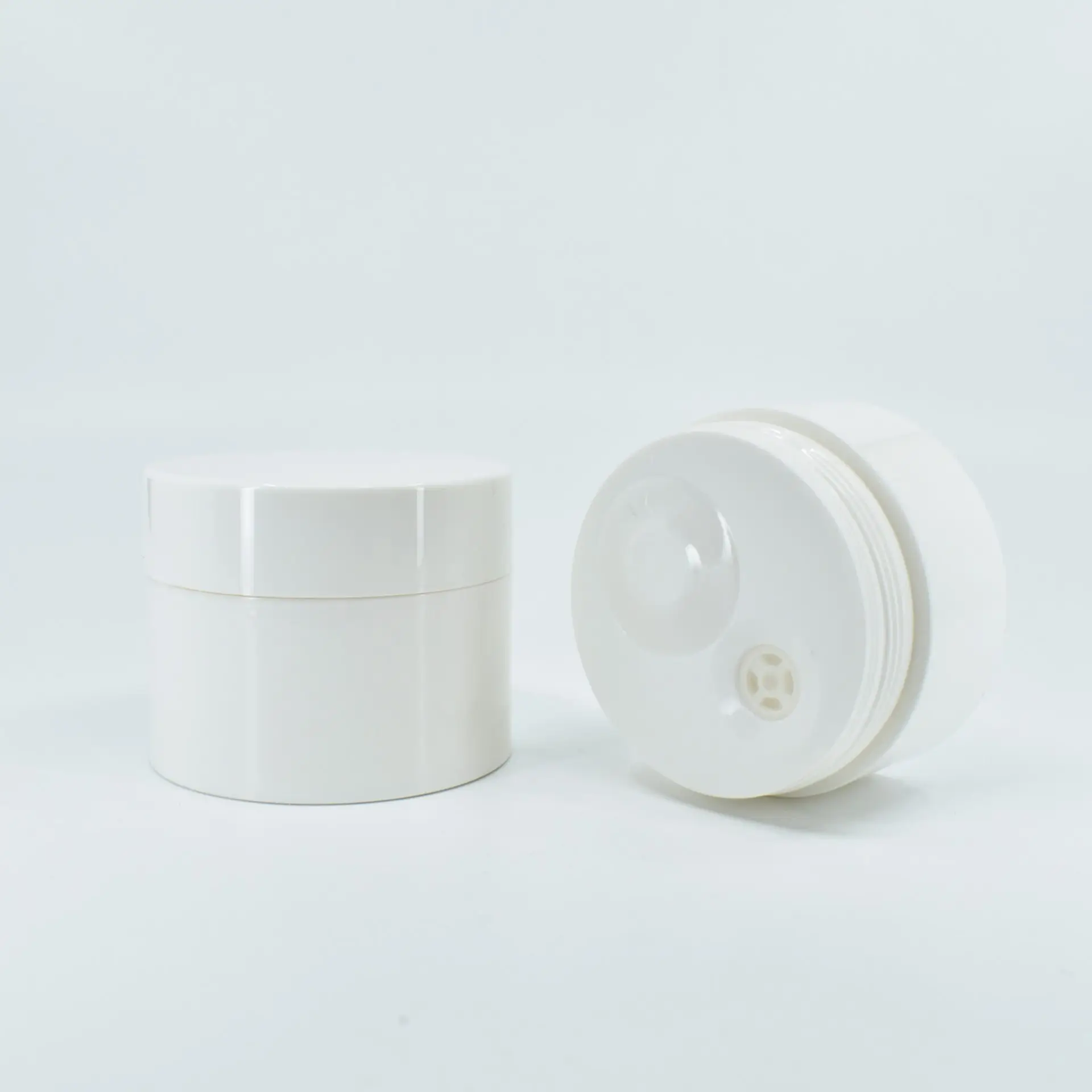
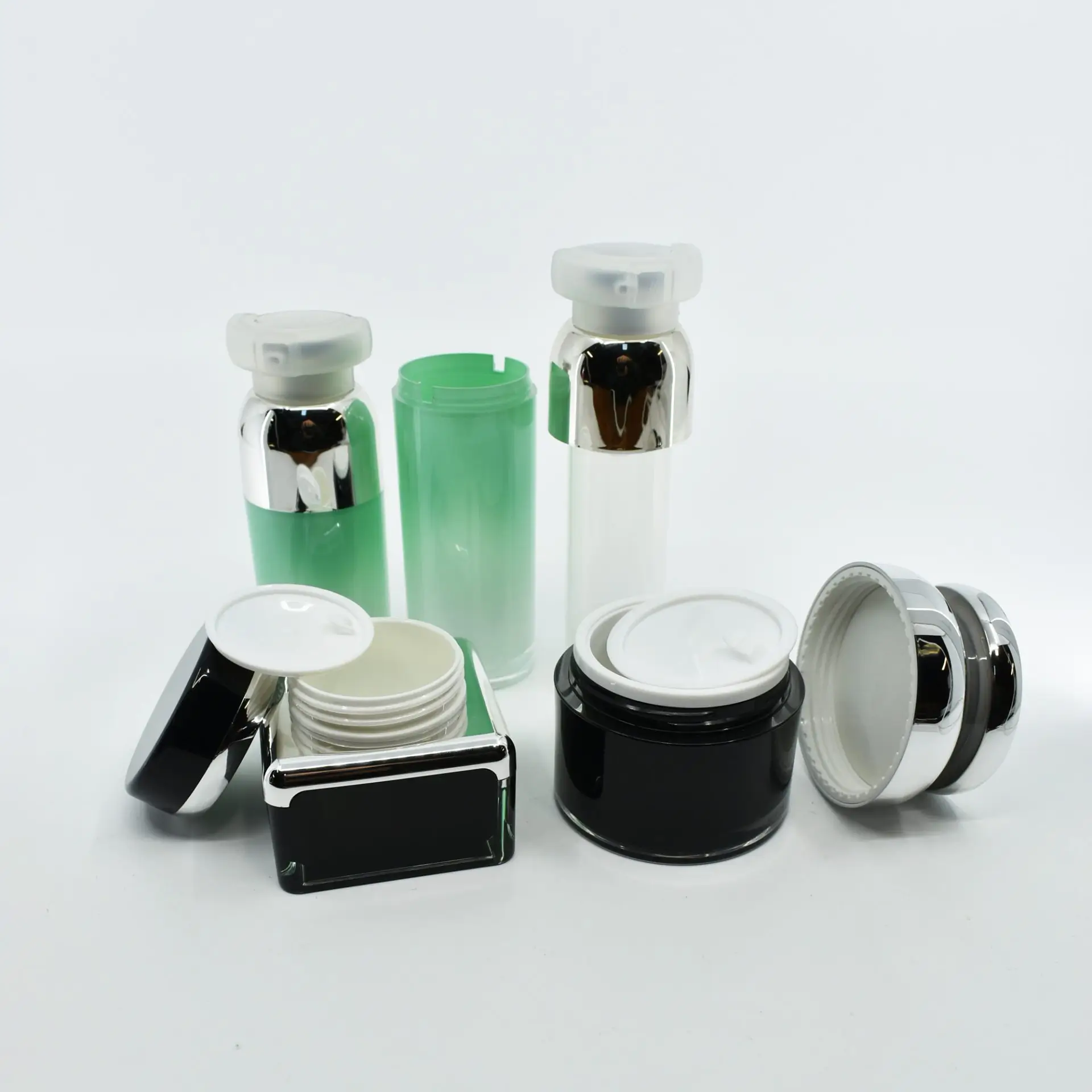
For example, pairing glass bottles with a precision airless jars products solutions system allows brands to combine durability, hygiene, and refillable capabilities. This approach reduces product waste, supports sustainability goals, and enhances the customer experience.
Partnering with the Right Packaging Supplier
A reliable supplier can guide brands through bottle selection, customisation, and quality assurance. Key questions to ask include:
- Does the supplier offer a range of glass finishes and sizes?
- Are the airless pumps tested for consistent performance?
- Can the supplier support eco-friendly and refillable solutions?
- Is there scalability for small batches and mass production?
Working with an experienced partner ensures that your glass airless bottles protect formulas, support sustainable practices, and maintain brand quality across production runs.
Conclusion
Choosing the right glass airless bottle packaging solution is essential for skincare brands that value product integrity, sustainability, and customer experience. From airtight protection to eco-friendly designs and refillable options, the right packaging can elevate your product while reducing environmental impact.
Airless Bottles offers a wide range of customizable, high-quality glass airless solutions designed for modern skincare and cosmetic lines. Explore our collection today to find the perfect packaging solution for your brand and take the first step toward smarter, sustainable, and hygienic packaging.
FAQs
1. What is a glass airless bottle used for?
A glass airless bottle packaging solution is a container designed to protect sensitive skincare and cosmetic formulas. Its airtight design prevents oxidation, contamination, and formula degradation while offering a premium look.
2. How does a glass airless bottle reduce product waste?
Airless systems dispense precise amounts of product, minimizing leftover residue in the bottle. Combined with refillable options, this approach significantly reduces single-use packaging waste.
3. Can glass airless bottles work with refillable systems?
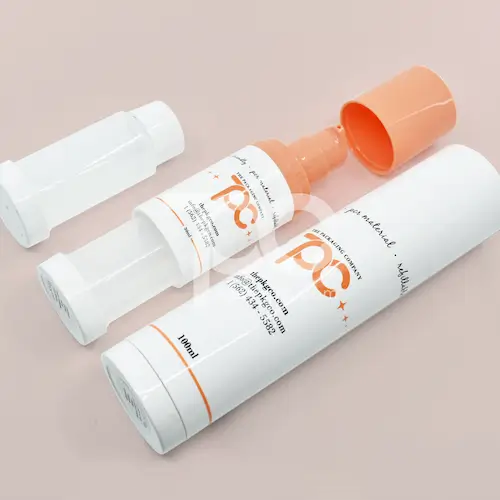
Yes. Many glass airless bottles are compatible with refill cartridges or inner sleeves. This allows brands to promote sustainable usage and reduce environmental impact.
4. What should skincare brands consider when choosing a glass airless bottle?
Brands should evaluate material quality, airless pump performance, size, shape, and recyclability. Custom finishes and branding options also help ensure the packaging aligns with brand identity.
5. How do airless jars products solutions complement glass airless bottles?
Airless jars products solutions provide precise dosing and airtight protection for creams or heavier formulations. When paired with glass bottles, they enhance product stability, reduce contamination, and support eco-conscious packaging goals.