How Glass Airless Packaging Extends the Shelf Life of Sensitive Formulations?
13 November 2025
How Skincare Brands are Reducing Packaging Waste Using Mono-Material Square Airless Bottles
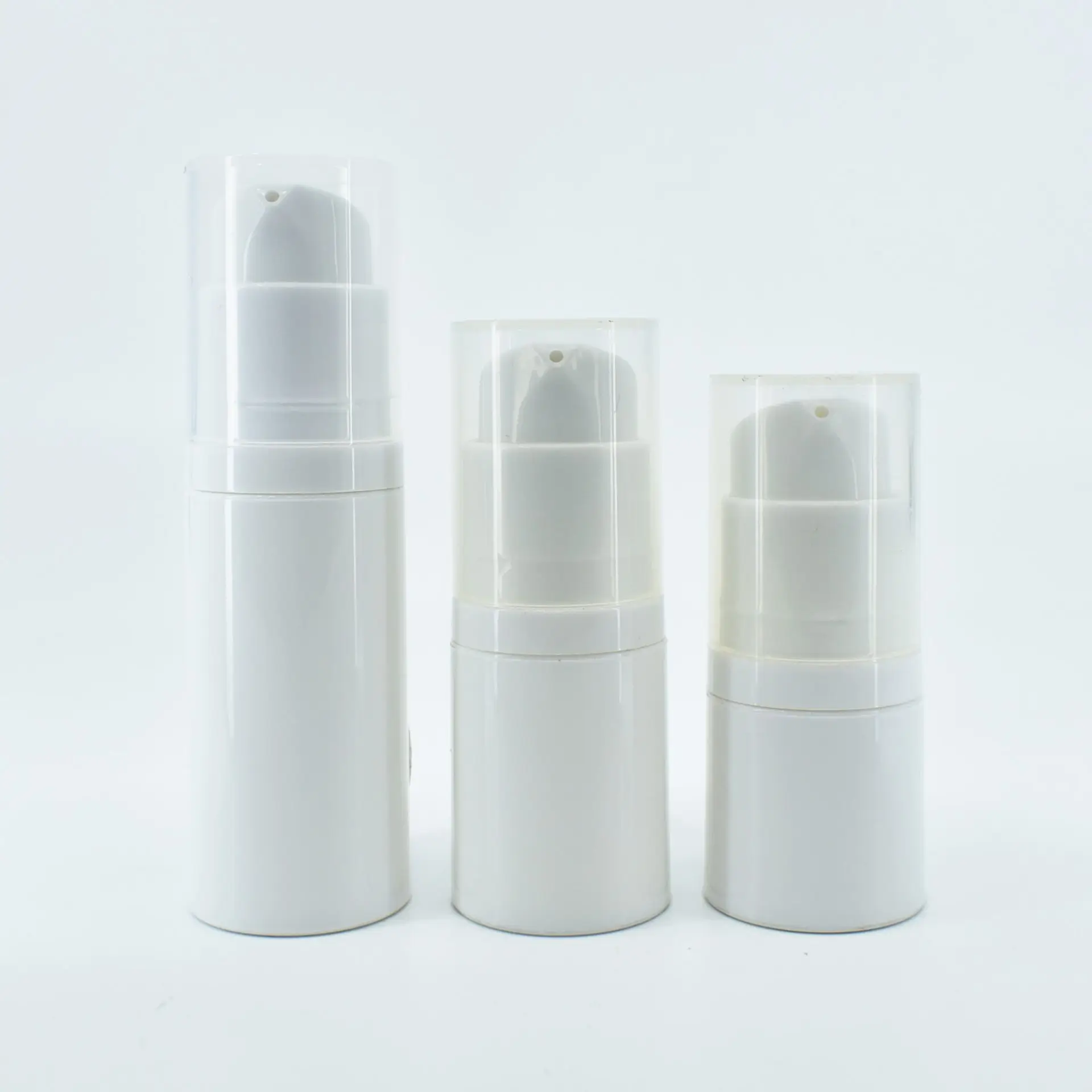
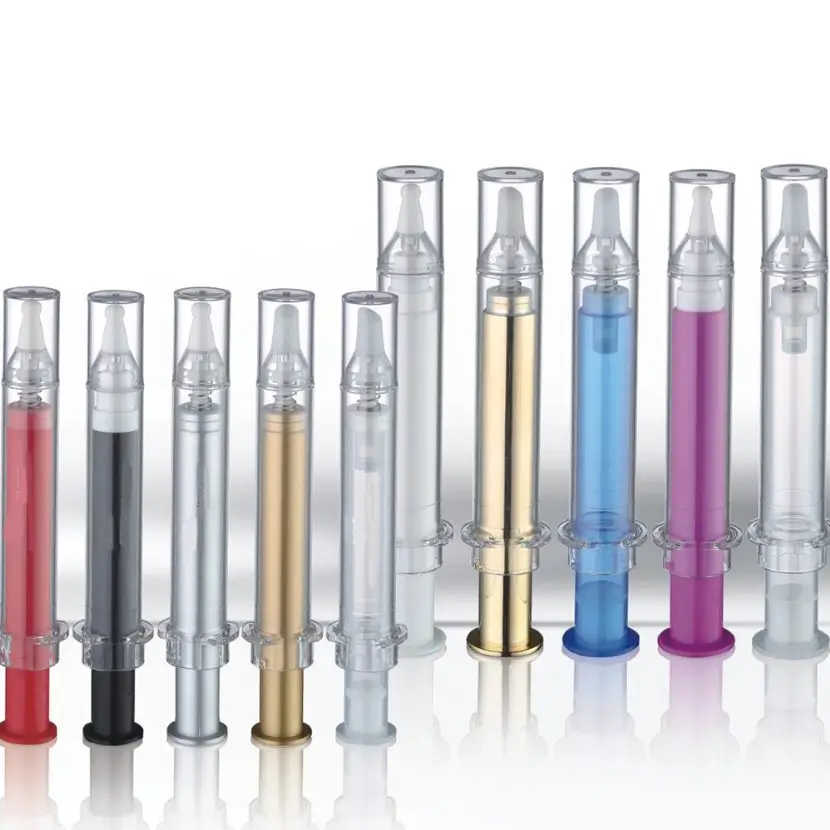
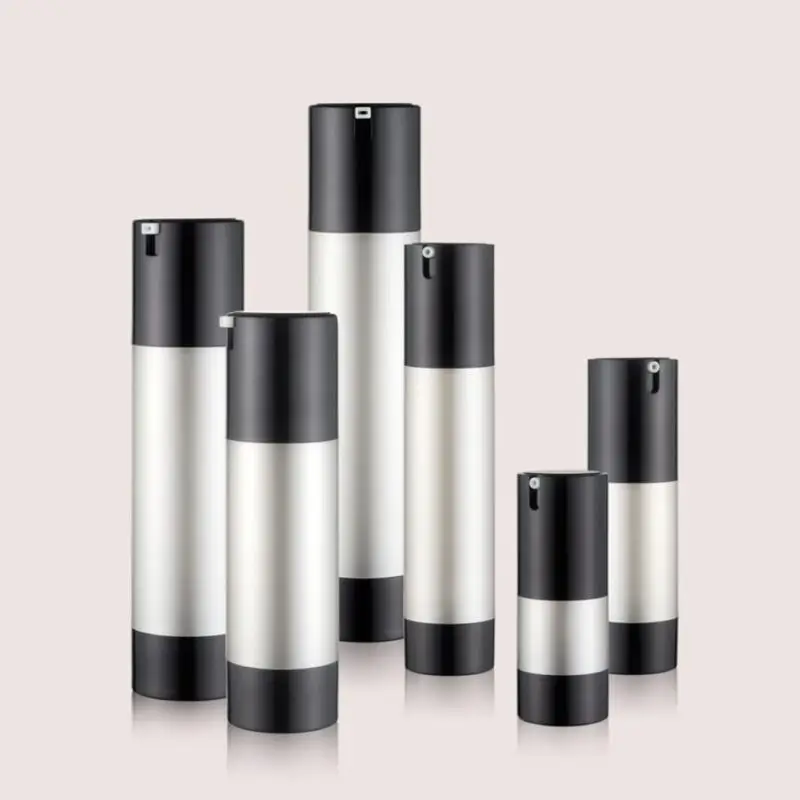
10 December 2025The skincare industry is changing fast as brands shift toward safer formulations, cleaner ingredients, and smarter packaging. While product quality still stands at the center of every launch, packaging now plays an equally important role. One option rising in demand across the beauty sector is an eco-friendly airless bottles solution, a packaging approach built for sustainability, hygiene, and modern consumer expectations.
From extending product freshness to reducing waste, airless packaging gives brands practical advantages that traditional pump bottles cannot offer today.
The Push Toward Smarter, Sustainable Packaging
Skincare buyers are far more informed than they were a decade ago. They ask about supply chains, materials, refill options, recyclability, and overall environmental impact. As a result, packaging has become a strategic decision rather than a simple container choice.
For brands, switching to airless systems supports:
- Controlled dispensing
- Reduced oxidation
- Superior hygiene
- Lower product wastage
- Better compatibility with sensitive formulas
- Improved sustainability with mono-material or refillable designs
These are the reasons modern beauty companies, from indie labels to global manufacturers- now treat packaging innovation as a direct part of product performance.
Why Airless Packaging Makes Sense for Skincare Formulations
Skincare formulas often contain actives that break down quickly when exposed to air, heat, or frequent contact. Vitamin C blends, retinol, peptides, and botanical extracts stay stable longer in airless systems.
By removing air intake, brands can protect product integrity and reduce the risk of contamination. This becomes even more important for clean-beauty and water-based formulas that avoid heavy preservatives. Packaging engineers and formulation teams consistently highlight the value of airtight components for sensitive blends.
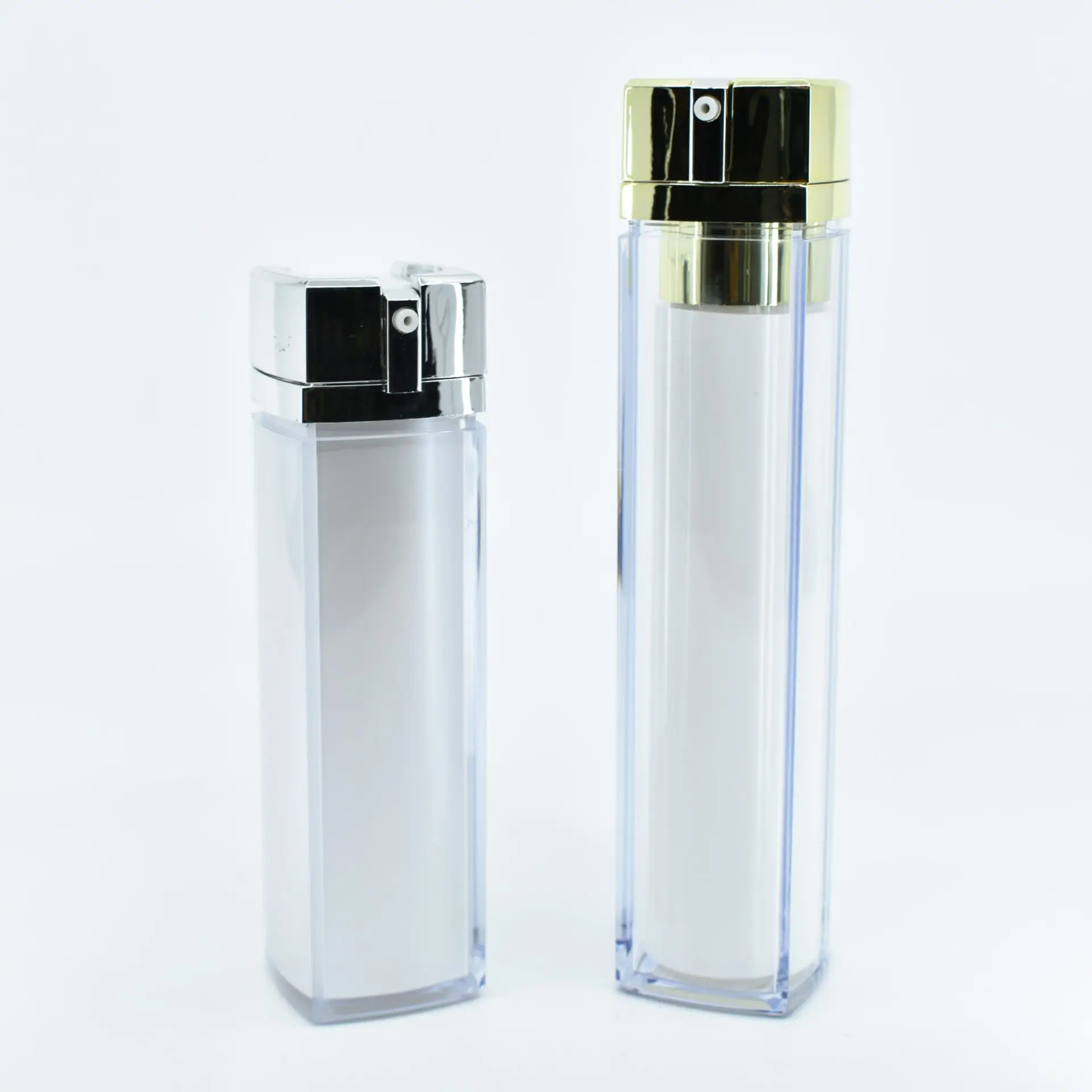
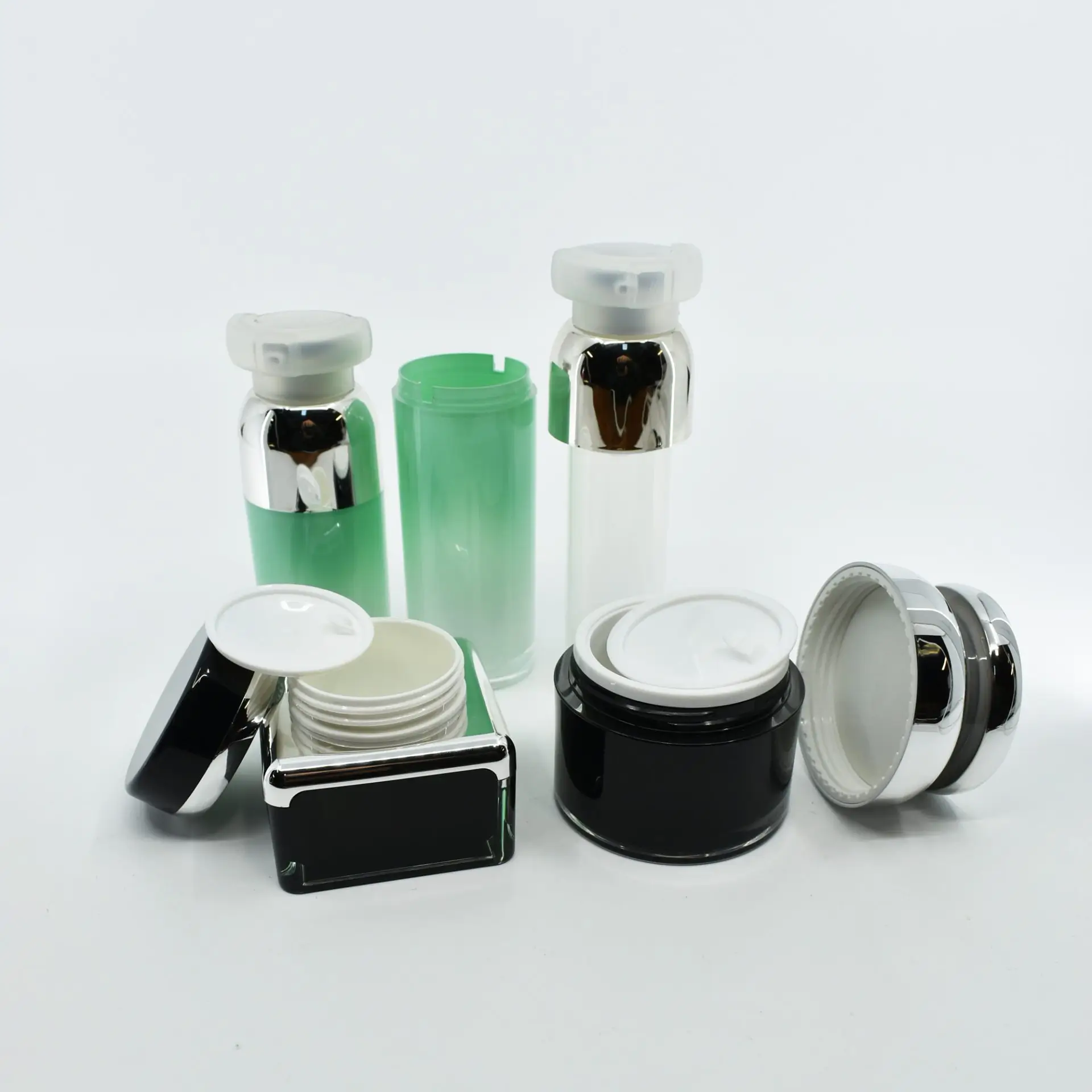
Some brands prefer glass for its premium look and recyclability, while others focus on lightweight mono-material options that simplify post-use disposal. Both approaches work well inside the airless system ecosystem.
Design Flexibility and Branding Freedom
Skincare brands need packaging that looks good on shelves, photographs well for marketing, and matches the brand’s design language. The best luxury airless pump bottle companymakes this easier through:
- Glass airless bottles for a luxury feel
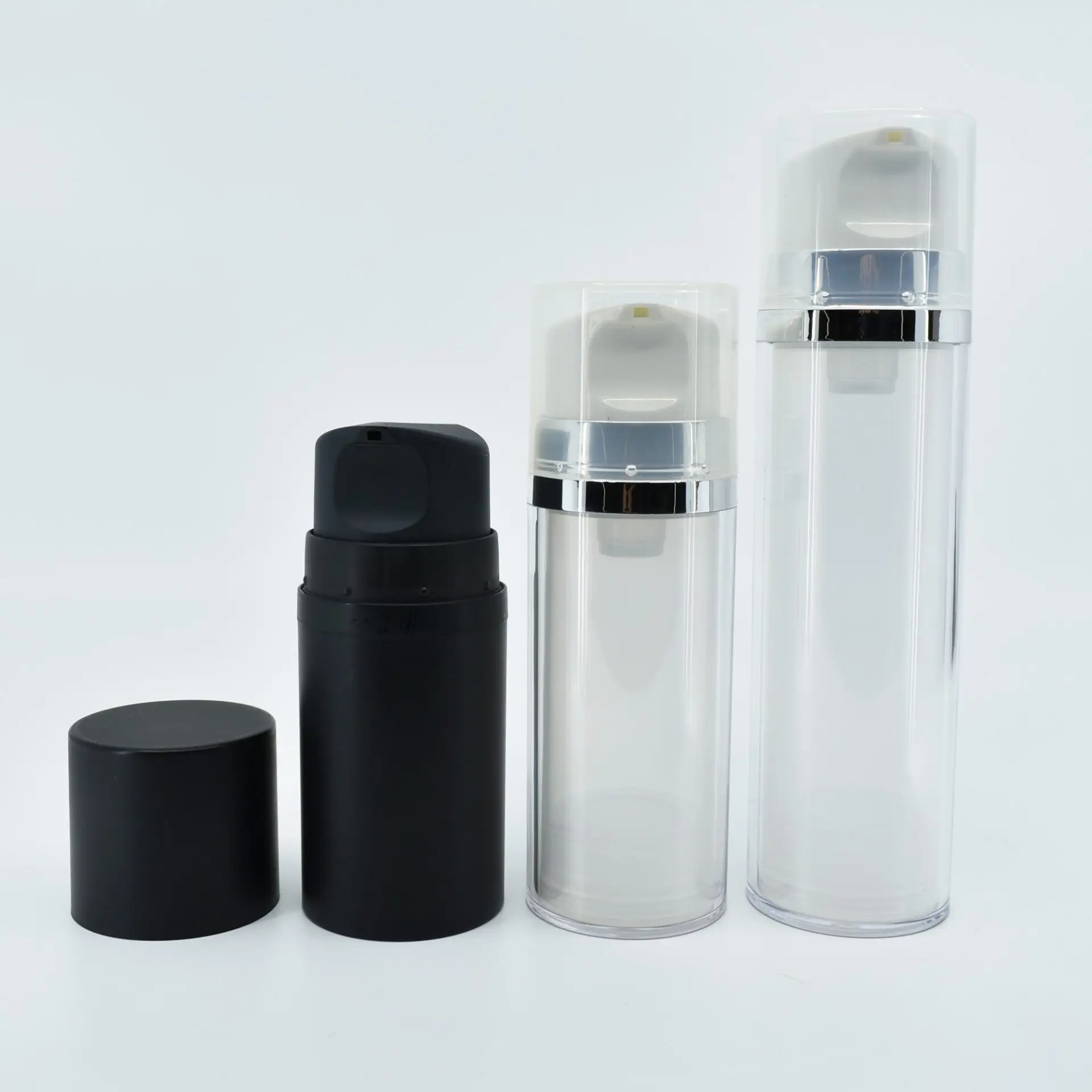
- PP mono-material bottles for simplified recycling
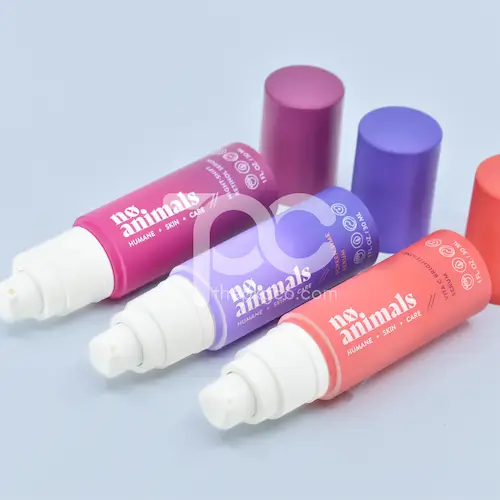
- Matte, soft-touch, and frost finishes
- Customizable pump designs
- Color-matched components
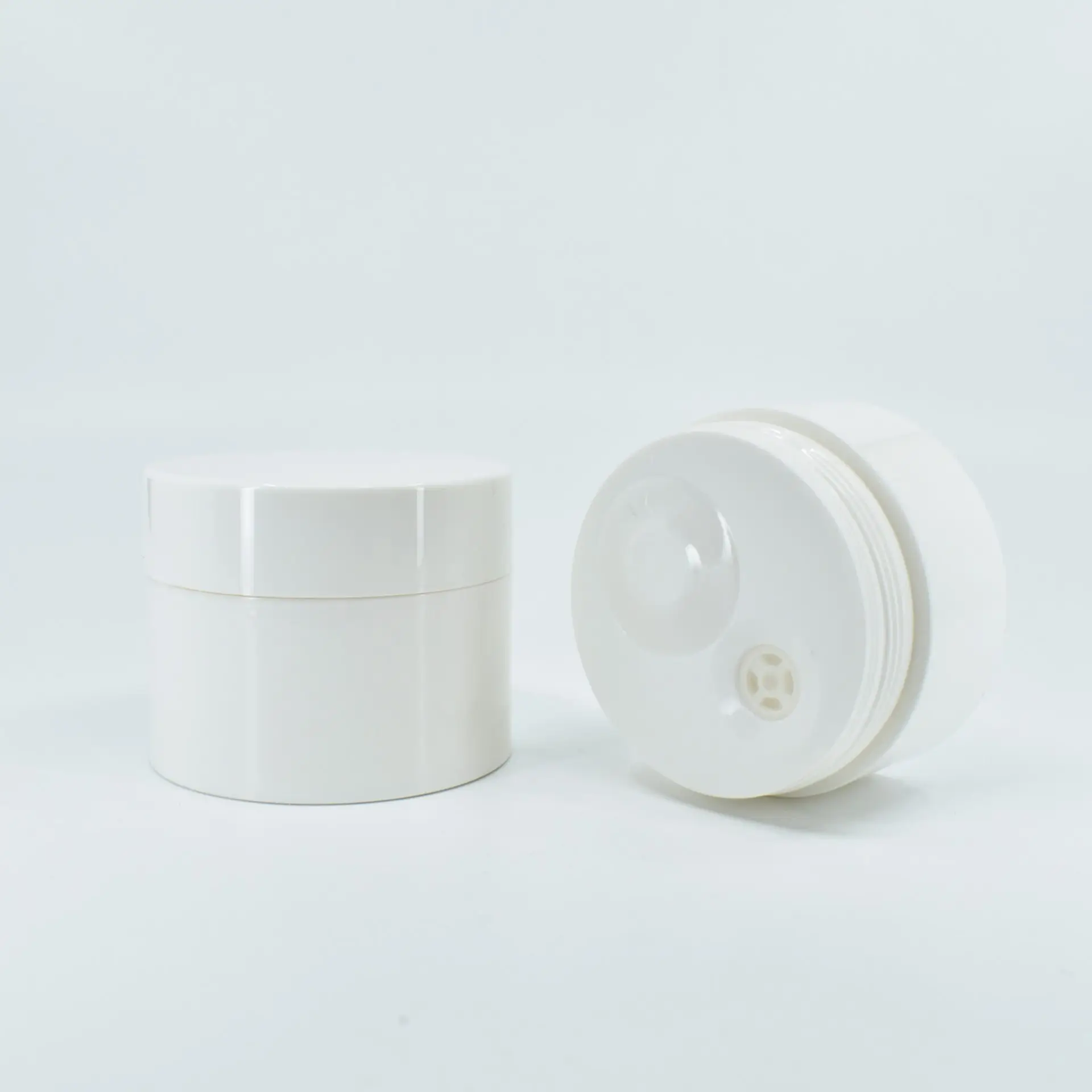
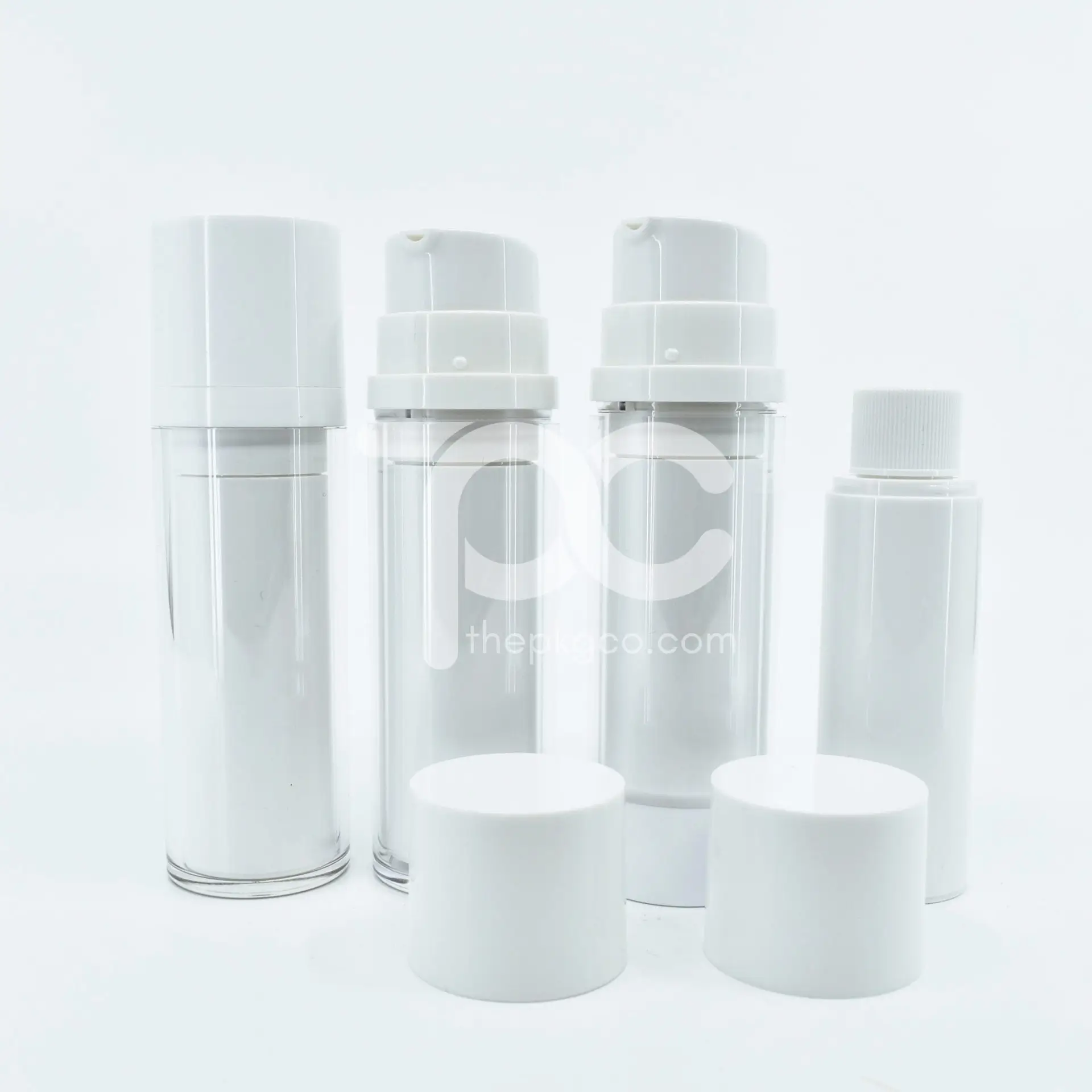
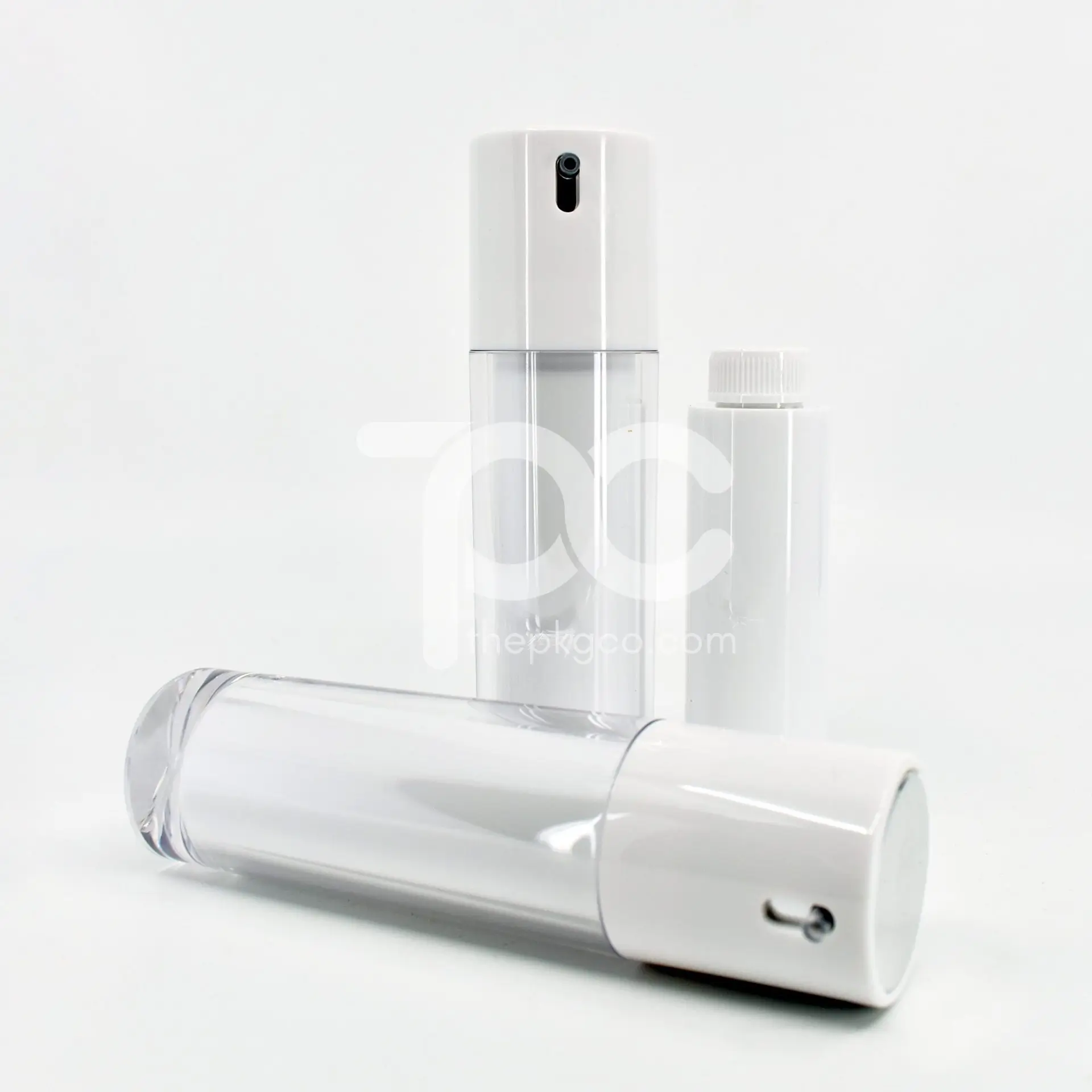
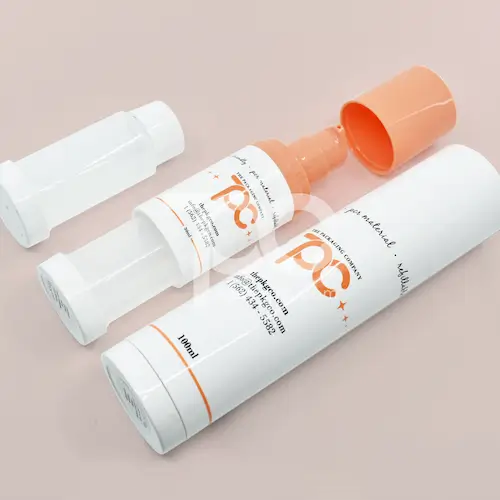
- Refillable inner cartridges
Packaging developers value this flexibility because it supports both sustainability and brand identity in the same container.
Why the Market Is Moving Toward Refills
Refillable airless systems are gaining traction in regions with strong environmental regulations and high consumer awareness. These systems help brands:
- Reduce plastic consumption
- Cut long-term production costs
- Increase customer loyalty
- Support responsible consumer behavior
Refills also reduce waste, allowing companies to follow sustainability goals without redesigning their entire product line. Many businesses collaborate with the best luxury airless pump bottle company when developing refill options for premium collections.
What Brands Should Look for in a Packaging Partner
Choosing the airless pump bottle depends on:
Glass, recycled plastic, mono-materials, and refill systems all need precision engineering. The supplier must understand compatibility with various skincare formulations.
Smooth pumping, consistent dosage, and airtight components are non-negotiable in modern skincare.
Startups may need small-batch support, while established brands require large production volumes and diverse bottle sizes.
Eco-conscious brands benefit from recyclable, refillable, or lightweight airless structures.
Color matching, decoration, stamping, and structural customisation help strengthen brand identity.
Conclusion
Skincare brands that want better product protection, higher consumer trust, and practical sustainability gains increasingly rely on an eco-friendly airless bottles solution. It supports clean formulations, reduces waste, and offers better control over the user experience without adding complexity to production. As the demand grows, businesses across the beauty sector seek reliable partners that can deliver performance, sustainability, and long-term packaging value.
For companies looking to integrate modern airless systems into their product lines, Airless Bottles remains a strong industry resource for well-engineered, eco-conscious, and customizable packaging solutions. Explore our collection.
FAQs
1. What makes eco-friendly airless bottles useful for skincare products?
It helps protect sensitive formulas from air exposure, reduces product waste, supports cleaner formulations, and aligns with sustainability goals. Brands get longer shelf life and better user control without relying on heavy preservatives.
2. How do airless bottles support clean beauty and natural formulations?
Airless systems limit air contact, which helps maintain stability for actives like peptides, antioxidants, and botanicals. This is especially important for brands avoiding harsh preservatives or additives.
3. Are airless bottles suitable for glass and mono-material packaging?
Yes. Airless components work well across glass, PP, PCR, and mono-material designs. This gives brands flexibility to choose sustainable options that match their product line and branding needs.
4. Why are more skincare companies switching to refillable airless packaging?
Refill systems help lower plastic use, support consumer reuse habits, and provide long-term cost savings. They also align well with regional sustainability regulations and brand environmental goals.
5. How can a skincare brand select the right airless packaging partner?
Key factors include material expertise, airtight performance, design flexibility, and sustainability options. Brands also benefit from suppliers who understand formulation needs and offer scalable production capabilities.